STAINLESS STEEL
BEARINGS &
COMPONENTS
Founded in 2016, LINOX focuses on high-precision stainless steel bearings, rod ends, and premium structural components for global industrial applications. Supported by ISO 9001:2015.
Turning demands into
reliable results
LINOX focuses on stainless steel bearings and related components, supporting projects from standard product selection to custom CNC machining and drawing-based communication.
Precision tolerance control
+/-0.01 mm machining target
Flexible order quantities
Prototype support starting from small-batch requests
Surface finishing options
Polishing, passivation, sandblasting, and more
Third-party inspection support
Material reports can be coordinated when required


Stainless Steel
Product Families
Review the core product families currently confirmed in the project brief. Product series, structure, and material direction can be reviewed further on the relevant pages or during inquiry.
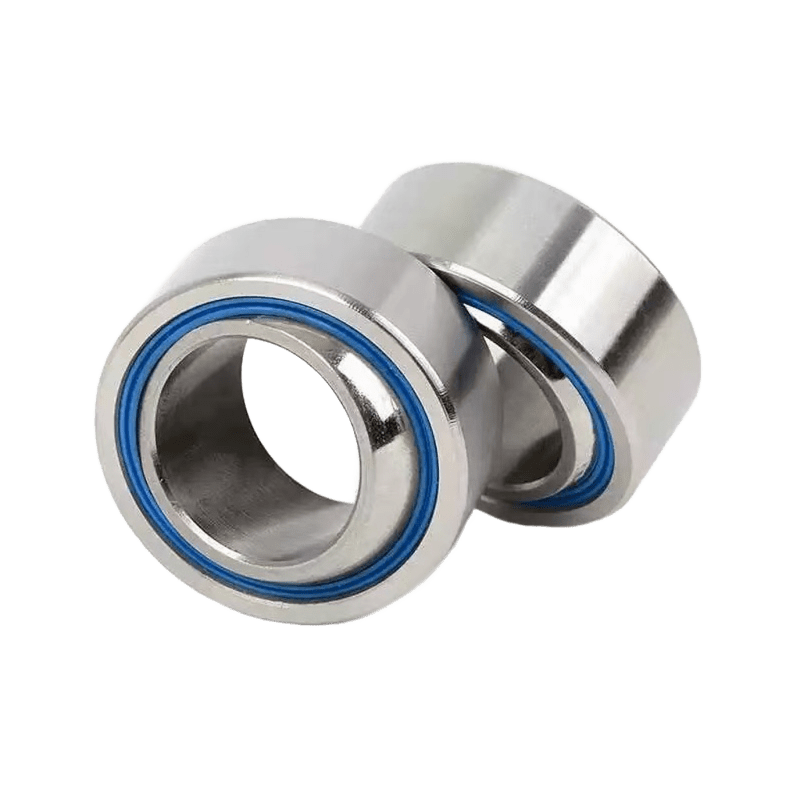
Spherical Plain Bearings
Includes lubricated, maintenance-free, heavy-duty wide inner ring, and inch series.
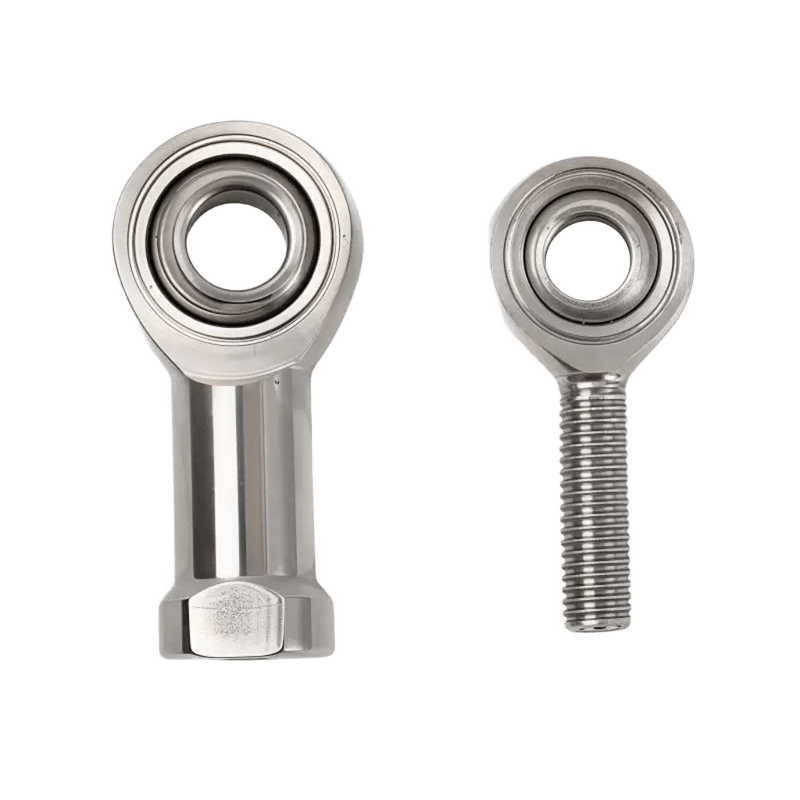
Rod Ends
Covers male-thread, female-thread, metric, and inch series for linkage control.
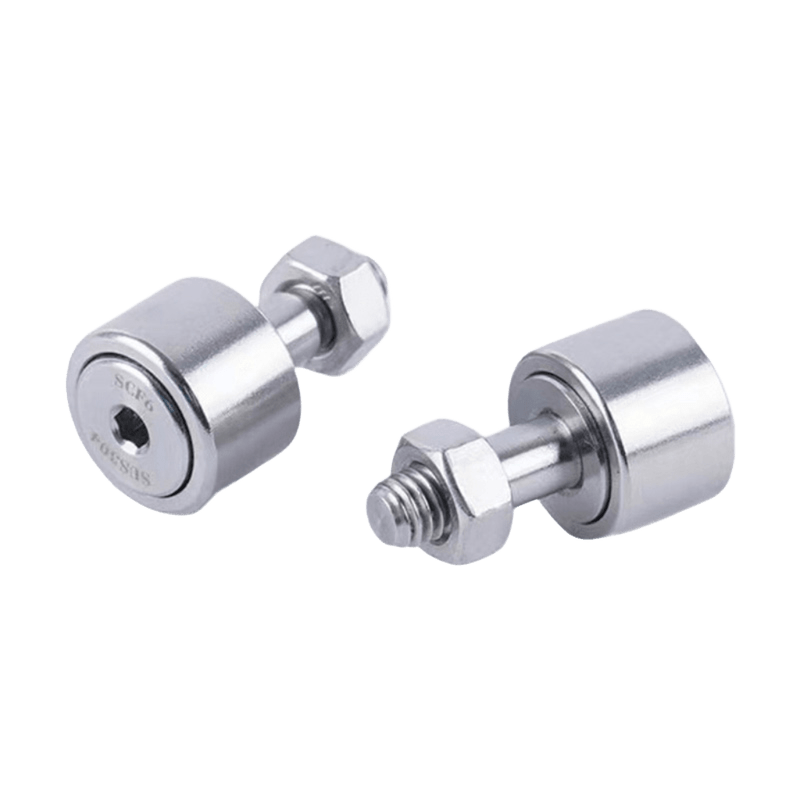
Cam Followers
Stud-type and yoke-type solutions for guided motion and track-running.
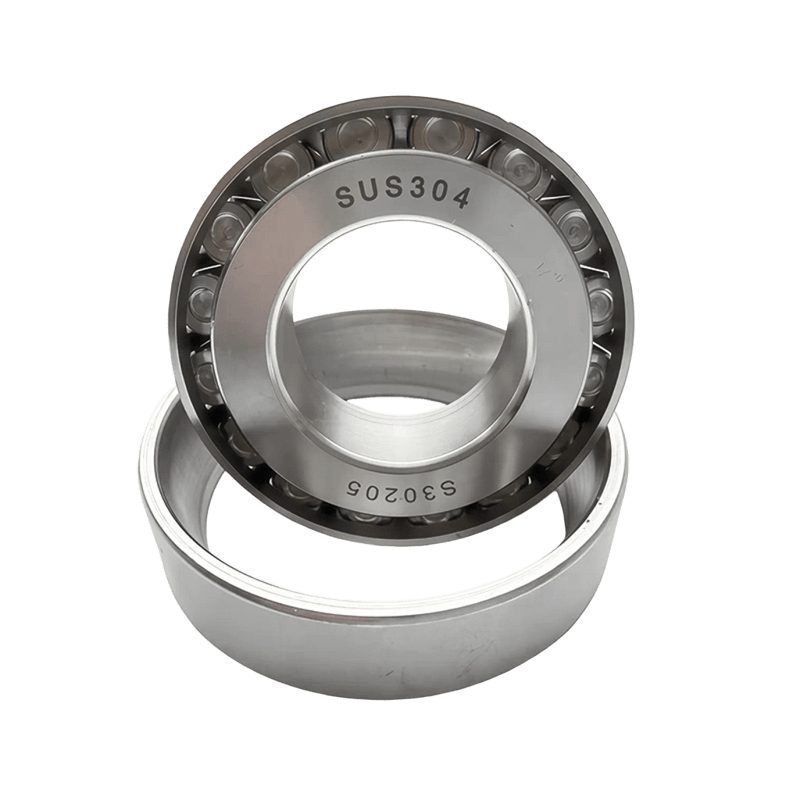
Tapered Roller Bearings
Includes 302, 320, 322, and selected special series for bearing arrangements.
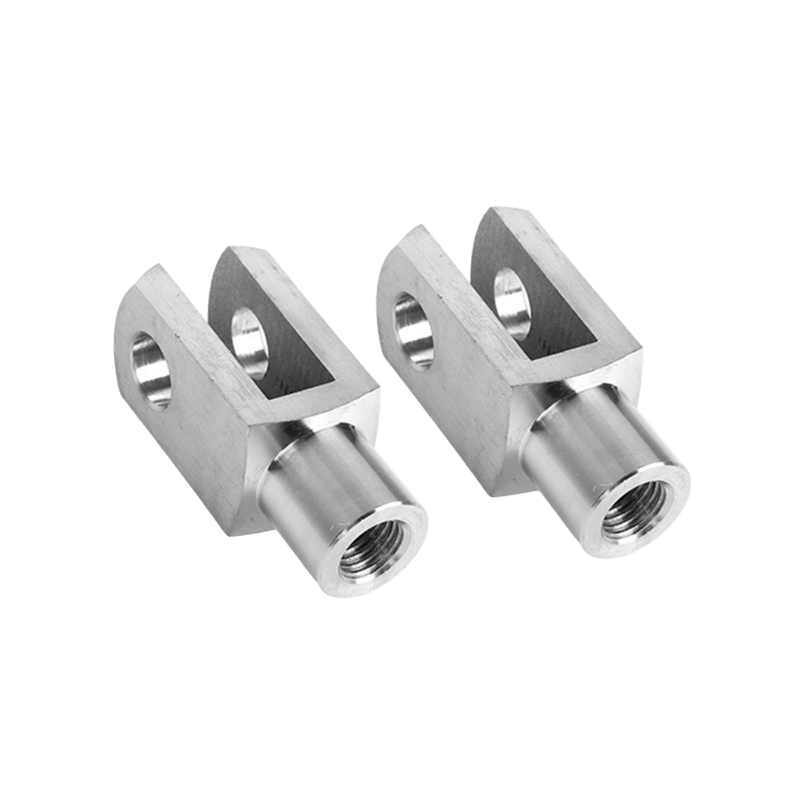
Clevises & Yokes
Female-thread, male-thread, and mating clevis parts for mechanical connection.
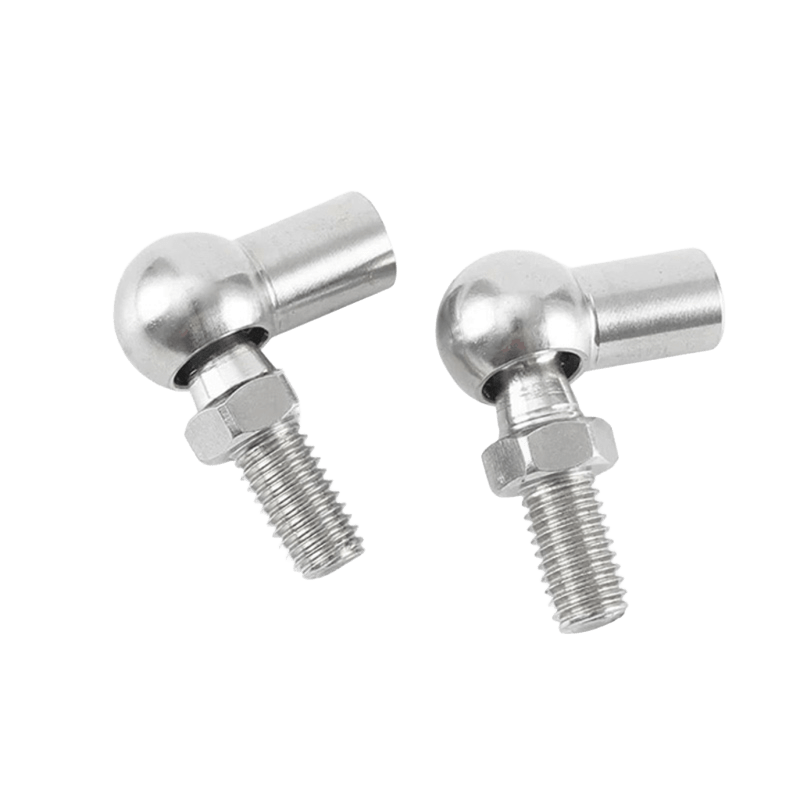
Ball Joints
Ball joint and angle-joint related components used where articulation matters.
Verified Grades
Our stainless steel bearings are forged from strictly verified raw materials. Final suitability depends on your specific product type and operating environment.
304
316L
440C
17-4PH

Industries
We Support



Precision
Control
CNC Machining Centers
5-axis CNC machining centers support complex surfaces and high-precision hole patterns, with repeat positioning accuracy up to +/-0.005 mm.
CNC Turning and Milling
More than 10 CNC lathes with live tooling and sub-spindles support complete turn-mill operations in a single setup.
Laser Cutting
Fiber laser cutting supports stainless steel plate thicknesses up to 25 mm with accuracy up to +/-0.1 mm.
Surface Finishing
In-house passivation, electropolishing, sandblasting, and PVD coating support.
Typical Tolerance
| Feature | Standard | Precision |
|---|---|---|
| Linear Dimensions (mm) | +/-0.1 | +/-0.01 |
| Bore Diameter (H7) | +0.025/0 | +0.01/0 |
| Shaft Diameter (h6) | 0/-0.025 | 0/-0.009 |
| Surface Roughness Ra | 3.2 um | 0.4 um |
Workflow
Submit Requirement
Share drawing/photos, material, quantity, and expectations.
Engineering Review
We review feasibility and prepare a detailed quotation.
Production & Delivery
Order confirmation, process updates, and shipment follow-up.
What our
clients say
"We first contacted LINOX with a drawing and a few operating details. The reply was clear, practical, and focused on the points that actually mattered for selection."
"What I appreciated most was that the discussion did not jump straight to price. They first helped us confirm thread direction, material options, and the right product family."
"For replacement work, we usually need to move quickly but still avoid mistakes. The communication was straightforward, and it was much easier to sort out the key dimensions."
FAQ
The current standard material directions confirmed in the project brief are 304, 316 / 316L, 420, 440C, and 17-4PH. Material availability still depends on the product type, series, structure, and component function.
304 is often a practical starting point for general industrial environments. 316 / 316L is more often reviewed when chloride resistance, washdown exposure, marine conditions, or stronger corrosion protection are required.
Not exactly. Both are commonly reviewed where more hardness is needed than 300 series grades can offer, but 440C is usually considered first for more wear-critical contact parts, while 420 may be reviewed where hardness and cost balance are both important.